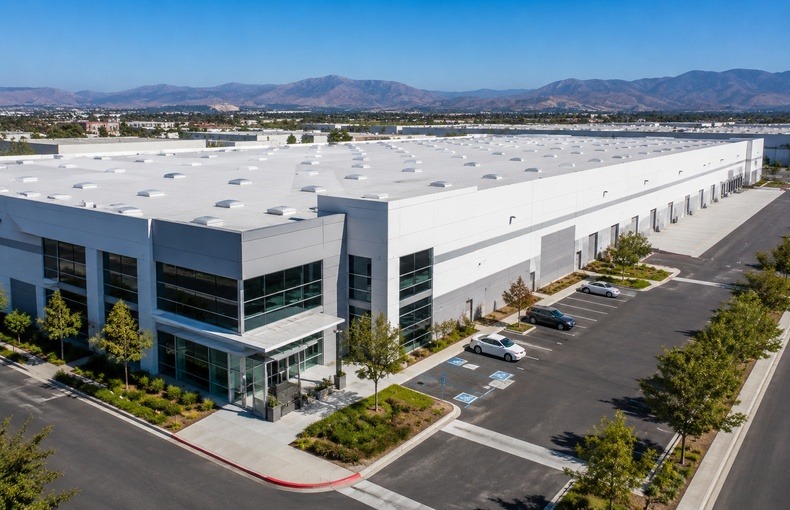
Office-Warehouse TI: What You Should Know
An office-warehouse tenant improvement near Commerce, CA may need an architect when the project changes the layout, use, office areas, restrooms, equipment, storage, exiting, accessibility, or building systems within an industrial space. Office-warehouses often look open and flexible, but that does not mean every improvement is simple or permit free.
Many office-warehouse and industrial projects require architectural drawings because the building department needs to understand the proposed use, occupant load, exit paths, fire access, accessibility, restroom requirements, ventilation, electrical capacity, plumbing, storage layout, and structural conditions. An office-warehouse used for storage may have different requirements than an office- warehouse used for manufacturing, assembly, packaging, distribution, repair, or office support.
For owners, landlords, and tenants, the key question is simple. Can this office-warehouse support the proposed business operation? The answer depends on more than square footage. It depends on code, permits, building systems, fire safety, accessibility, equipment needs, and how the tenant plans to use the space.
An office-warehouse architect or industrial architect can help review these issues before the tenant signs a lease, buys equipment, starts construction, or submits for permit. If you searched for an industrial architect near me because you are planning an office-warehouse or manufacturing project, the first step is usually to review the building, the proposed operation, and the permit path.
What Is an Office-Warehouse Tenant Improvement?
An office-warehouse tenant improvement is work performed inside an existing office-warehouse or industrial building to make the space suitable for a tenant’s operation. This may include office buildouts, restrooms, employee areas, storage layouts, equipment areas, production spaces, loading area improvements, electrical upgrades, ventilation changes, or other improvements.
Some office-warehouse tenant improvements are simple. Others are complex because they affect multiple building systems. A small office buildout inside an office-warehouse may require walls, doors, ceilings, lighting, power, HVAC, accessibility, and exit paths. A manufacturing or production space may require equipment coordination, ventilation, electrical load review, plumbing, structural support, and fire department review.
Office-warehouse tenant improvements are often tied to business operations. The tenant may need to move quickly, install equipment, store products, create work areas, or open for operation by a certain date. This makes early planning important. A permit delay can affect the entire business schedule.
When Does an Office-Warehouse Tenant Improvement Need a Permit?
An office-warehouse tenant improvement permit may be required when the work affects the layout, occupancy, building systems, exits, accessibility, structure, storage, or fire and life safety.
A permit may be needed for new offices, new restrooms, walls, mezzanine work, structural changes, mechanical changes, electrical upgrades, plumbing fixtures, equipment support, fire rated separations, storage layout changes, or changes in use.
A permit may also be required when an office-warehouse is used differently than before. A space previously used for general storage may not automatically be approved for manufacturing, assembly, packaging, distribution, repair, or another industrial operation. The city may need to review the proposed use and determine whether the building can support it.
For office-warehouse tenant improvement permit projects, the proposed operation matters. The city may ask how the space will be used, how many employees will be inside, what materials will be stored, how high materials will be stored, what equipment will be installed, whether hazardous materials are involved, and whether fire department review is needed.
Why Office-Warehouse Projects Need Early Architectural Review
Office-warehouse tenant improvement in Vernon, City of Industry, Torrance, and more can involve several review issues at the same time. A tenant may need office space, employee areas, storage, equipment, electrical upgrades, mechanical ventilation, restrooms, accessibility review, fire access, and commercial permit drawings.
Industrial tenant improvement Los Angeles projects can also involve operational details that must be understood early. An office-warehouse used for distribution may have different needs than a manufacturing facility, packaging operation, repair facility, or storage use.
This is why local search terms like office-warehouse architect Santa Fe Springs, industrial architect Carson, office-warehouse office buildout Long Beach, and warehouse tenant improvement permit are useful. These searches often come from tenants, owners, and landlords who are already dealing with a real space and need help understanding what can be approved.
Early architectural review can help identify whether the project needs structural, mechanical, electrical, plumbing, fire protection, Title 24, or other consultant coordination. It can also help avoid lease or construction decisions based on incomplete information.
Why Office-Warehouse Permit Drawings Matter
Office-Warehouse permit drawings help explain the existing building, proposed layout, and code approach. They show what is being changed and how the tenant plans to use the space. These drawings help the city, landlord, contractor, consultants, and tenant understand the project.
An office-warehouse permit drawing set may include a cover sheet, project data, code analysis, existing floor plan, demolition plan, proposed floor plan, office layout, restroom plans, reflected ceiling plan, door schedule, accessibility details, storage layout, equipment layout, construction details, and general notes.
Depending on the scope, the project may also need structural, mechanical, electrical, plumbing, fire protection, Title 24, or other consultant drawings. If the project includes new equipment, storage systems, office buildouts, restrooms, ventilation, or electrical upgrades, consultant coordination may be required.
Clear commercial permit drawings help reduce confusion. They allow the city to review the project, help the contractor price the work, and help the landlord understand what changes are being made to the building.
Poor or incomplete drawings can lead to plan check corrections, delayed approvals, change orders, and construction problems.
Common Office-Warehouse Tenant Improvement Issues
Office-warehouse and industrial tenant improvements often involve issues that are not obvious during a walkthrough.
Exiting is one common issue. The city may review how employees and visitors exit the space, how far they travel to exits, whether exit paths are blocked by storage or equipment, and whether doors and corridors are adequate.
Storage is another major issue. High storage, racking systems, dense storage, or certain materials may require additional review. If products are stored too high or the material type creates a fire risk, the project may need fire department review or sprinkler coordination.
Office buildouts inside office-warehouses can also create permit issues. New offices may need walls, ceilings, doors, lighting, power, HVAC, accessibility, exits, and possibly fire separation. An office-warehouse buildout should be coordinated with the rest of the building and not treated as a simple room addition.
Restrooms and employee areas can trigger plumbing and accessibility requirements. An office-warehouse with a small existing restroom may not be enough for a new tenant, especially if the operation has more employees or a different use.
Equipment can also affect the permit path. Heavy equipment, process equipment, manufacturing equipment, exhaust systems, electrical loads, gas lines, compressed air systems, or structural supports may require consultant review.
Why Tenants Should Review an Office-Warehouse Before Signing a Lease
An office-warehouse may look like a blank space, but it may not be ready for the tenant’s operation. The tenant may focus on rent, location, loading access, ceiling height, parking, and square footage. Those factors matter, but the building also needs to support the proposed use.
A tenant may discover after lease signing that the electrical service is not adequate, the restroom layout needs upgrades, the storage plan triggers fire review, the office buildout requires permits, or the equipment needs structural support. These issues can affect budget and timeline.
Lease timing can also create pressure. If rent starts before the permit is approved or before construction is complete, the tenant may carry costs before the business is operating. Early architectural review can help identify risks before the tenant commits to the space.
An office-warehouse architect can review the existing building, proposed use, layout, storage plan, office needs, restroom requirements, and likely permit path. This helps the tenant and landlord understand what may be required before construction begins.
Office Warehouse Buildouts
Office-warehouse buildouts are common, but they need careful planning. Tenants often need private offices, open office areas, conference rooms, restrooms, break rooms, reception areas, or employee support spaces inside a larger office-warehouse.
These office areas may require walls, ceilings, insulation, doors, lighting, power, data, HVAC, accessibility, and exit paths. They may also affect the building’s occupant load and fire separation requirements.
An office buildout can also affect the office-warehouse operation. The office area should not block access, exit paths, loading areas, storage areas, or equipment movement. The design should support both office use and industrial operations.
Architectural drawings help show the relationship between the office area and office-warehouse area. Consultant drawings may be needed for HVAC, electrical, plumbing, and structural coordination.
Industrial Tenant Improvements and Manufacturing Spaces
Industrial tenant improvements can involve more than storage and offices. Some tenants need manufacturing areas, production lines, packaging spaces, repair areas, equipment zones, or process areas. These uses can create additional permit requirements.
The city may need to review ventilation, electrical loads, equipment anchorage, plumbing, fire protection, hazardous materials, exiting, and employee areas. Some projects may also require coordination with fire authorities or other agencies depending on the operation.
A manufacturing facility architect or industrial architect helps document the operation in a way that can be reviewed for permit. This does not mean the architect handles every technical item alone. It means the architect helps coordinate the drawing package and identify which consultants are needed.
How an Architect Helps With Office-Warehouse Code Compliance
An architect helps organize the office-warehouse tenant improvement so the drawings match the tenant’s business needs and the city’s review requirements. This starts with understanding the existing building and the proposed operation.
The architect reviews the layout, use, exits, accessibility, restrooms, storage, equipment, building systems, and consultant needs. The architect then prepares drawings that explain the proposed work and coordinates with engineers or consultants when needed.
During plan check, the city may issue correction comments. This is common. The architect can respond to plan check corrections, revise the drawings, coordinate consultant changes, and prepare the resubmittal package.
Early architectural review can help avoid assumptions. It can also help the tenant, landlord, and contractor understand what needs to be designed, approved, and built.
What Owners and Tenants Should Prepare Before Starting
Before starting an office-warehouse tenant improvement, it helps to gather existing building drawings, lease documents, landlord requirements, prior permit records, photos, equipment information, storage plans, employee counts, desired office layouts, and a clear description of the proposed operation.
The proposed use should be described clearly. The city may review a storage office-warehouse differently from a manufacturing space, distribution operation, repair facility, or industrial office buildout. Clear information helps the architect identify code issues and consultant needs earlier.
It is also helpful to discuss schedule and budget early. Office-warehouse and industrial tenants often have move in deadlines, equipment delivery dates, staffing plans, and operational commitments. Permit delays can affect the business schedule.
Need Help With an Office-Warehouse Tenant Improvement in Fontana, Ontario, Riverside, or near these areas?
If you are planning an office-warehouse tenant improvement, industrial tenant improvement, warehouse office buildout, manufacturing space, storage layout, or equipment related project, it is better to involve an architect early. Early review can help identify permit issues, code concerns, consultant needs, and schedule risks before construction begins.
Gerami Architectural Corp. is a Los Angeles architecture firm that can help with office-warehouse tenant improvement permits, industrial architectural drawings, warehouse permit drawings, commercial permit drawings, code review, consultant coordination, Title 24 coordination, and plan check responses.
Planning an office-warehouse, industrial, manufacturing, storage, distribution, or office buildout project? Gerami Architectural Corp. can review your space, prepare the drawings, coordinate the required consultants, and support the permit submittal process.
Contact Gerami Architectural Corp. to discuss your office-warehouse or industrial tenant improvement project.